
Developing Nuanced NPC Groups via Alignment & Government
Revised Jan. 2026
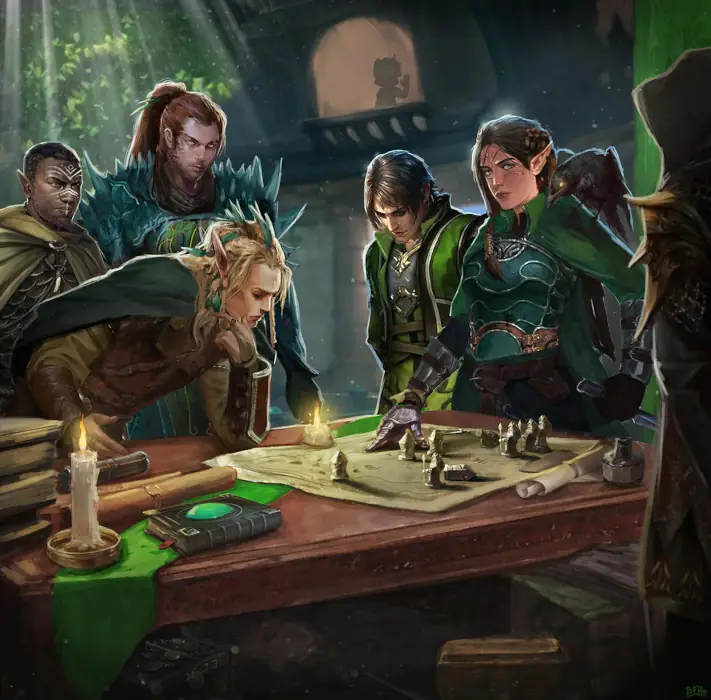
"Planned Attack" by Brandon-Ellis (resized) is licensed under CC BY 3.0
Introduction
D&D campaigns are full of groups, from families of NPCs to guilds to kingdoms. While some of them are detailed in game books, most of them will be crafted by DMs to fit their campaigns, but making them stand out from each other can be as simple or complex as you want. Once you have a basic concept and type (for instance, a thieves guild that controls the docks), figuring out how a gathering is run and what its alignment is can help distinguish it from others. Governing style indicates how power moves, along with values that support that system. Alignment reflects how power is employed within (and also outside) the organization, and how much personal freedom is valued.
But before we weave these elements together, it's worth considering them separately.
Government
Every collective develops a governance system to organize members, guide their interactions, and motivate them to participate. Without a firm enough structure, gatherings are likely to fall apart as supporters squabble and leave. Even well-functioning groups have operational problems, and those troubles can lead to engaging story hooks. As a DM, you can extrapolate conflicts, norms, and relationships with ease once you know how a sect is governed.
Types
The types below are common to fantasy games and can apply to small groups as well as large ones. A bardic boarding school can operate like a colonial government, with staff representing parents' power but doing so in their own way. A family can be influenced by a council of elders or parents who act like monarchs. Some of these types mix well: wealth could be taken as divine favor, leading to a plutocratic theocracy.
Colonial
A colonial government represents a distant authority, such as a conquering kingdom. Since colonies can operate quite far from regular oversight and correction, the colony's rulers might have considerable sway over the locals. To keep their power, colonial governors generally have to represent their superiors' interests in the area (or appear to) and ensure the settlement's tithes are paid. They may also be required to implement policies they don't like and deal with the fallout.
Council
A council is a collection of people meant to represent a larger population's interests and values. Representatives could be the eldest people around, the most successful merchants, or the heads of local guilds, but they tend to represent larger concerns or segments of society. They may acquire their seats through methods like divine mandate, personal power, or voting, but usually membership is determined the same way for everyone on the board.
Magocracy
Arcane casters rule in a magocracy, but magocracies vary. Some are borne up by beliefs about magic and its place in society; most are maintained through arcane might. The most powerful caster is often the top of the food chain, but a cadre of casters could be in charge. In such societies, those with arcane abilities usually enjoy more rights and privileges. Sometimes, a particular class is in favor or outlawed. Non-spellcasting citizens could be considered second class at best or slaves at worst.
Military
Settlements under military rule are beholden to the army in place. Military chains of command and tribunals preside over everything and there is no other authority locals can appeal to. This tends to occur after an armed conflict: an area is invaded and the invaders refuse to leave, whether the situation is peaceful or not. It may be called a peace-keeping activity or part of victory; either way, power is not returned to local civilian hands. And after a period of conflict in the region, it may be difficult for locals or neighbors to fight back.
Monarchy
Monarchs rule through divine right, military might, and wealth. Power is passed down to blood relatives and through marriage but may also be determined by divine intervention and titles earned through deeds. This may result in lesser nobles being granted land and influence over the vassals who live in their territory (a.k.a. feudalism). Vassals are expected to work in their noble's territory and fight on their behalf, if war erupts. They may need permission to travel or move away, as well. In return, land-owning nobles are supposed to provide protection and ensure prosperity for their underlings. Less powerful nobles swear fealty to greater ones, often in public, setting up a chain of command and influence, but all of them are subjects of the ruling monarch(s).
Plutocracy
A plutocracy is run by the wealthiest inhabitants but may be governed only by those who acquire their fortune in a particular way. They buy influence over others, not always through raw purchasing power but through the loyalty and services of those they employ. In most plutocratic groups, making a show of wealth is vital but a reputation for luxury might matter more than actual net worth. It also isn't uncommon for common beliefs and stories to favor the wealthy. After all, they must be good, smart, and strong to have gained so much. Everyone has to pay for rights and privileges or to avoid consequences, making those in power richer while most get poorer.
Theocracy
Theocracies are run by religious authorities, namely clerics or druids, and supported by religious dogma and texts. A deity or pantheon is viewed as the highest authority, and it's through their traditions that the rest of the hierarchy is determined. For example, celestials could be held in high esteem but may not have authority unless they're serving as messengers. Priests will usually interpret established laws or scriptures to give advice or make rulings. In special cases, they may use spells to ask for guidance. Just how devout a theocracy actually is varies, but if they fall too far from their deity's grace, they risk losing their blessings, which may include their spells and titles.
Leadership
A governing style is heavily influenced by who leads the association, why they receive power, how they receive power, and how much power they wield.
Whether it's one person, a couple, or a small faction, groups are led by someone and they usually enjoy more power than most. Their influence isn't just gained by what they do but also by what's expected. Put another way: they don't earn all of their power directly; some of it is offered in deference to their status.
Justifications for rulership will vary and can include age, family ties, personal merit, service, religious affiliation, specialized knowledge, and wealth. In fantasy worlds, character level, magic, species, special objects, and other elements can confer status.
How power is transferred also matters. Some are born into their positions; others are promoted by a current leader. Negotiation with a person or faction may be needed. Violent force could be allowed, with the winner gaining the place they want. Voting could be used to avoid as much violent conflict as possible. In games like Dungeons and Dragons, performing heroic deeds, receiving divine appointment, or succeeding in ritual challenges also work.
Finally, how much power leaders wield affects how an organization is governed. Rulers with absolute power can confer any rewards or punishments they wish, without waiting for anyone else's approval. Most leaders' power is mitigated by laws, other governing bodies, and concerns for popular dissent. Those with weak amounts of power are essentially figureheads. They may have fancy titles and enjoy some perks, but they have little influence over how things are run.
Alignments
It may seem difficult or pointless to assign an alignment to a social group when it usually represents personal values. But alignment can represent predominant attitudes and behaviors and doesn't need to cover every participant. It could represent the attitudes of those in power more than the average person (or vice versa). It may reflect agreed-upon norms when members interact with each other, without representing a majority within the community. Ultimately, alignment colors the collective's disposition and values.
When applying alignment to an organization, consider the following:
Chaotic/Neutral/Lawful
The Number of Rules Expected and Employed
The more lawful an organization is, the more guidelines and procedures they rely on to function on an everyday basis. Rules can be quite specific and numerous, to the point that they must be documented and even then, no one can follow them all. Adherents are more likely to approve of codes of conduct that distinguish them from outsiders, even if they don't like all of the rules they have to follow or procedures get in the way of quickly acting out plans. They're also more likely to respect hierarchies and work within them, even when there are problems with those in command. Those who know the regulations and how to use them to get what they want tend to fare best.
How Easily Norms Are Challenged, Changed, or Abandoned
Strongly chaotic gatherings refuse to let traditions get in the way for long. No communal norm is more important than each member's rights to make their own choices and live in ways they enjoy. If a law needs to be broken to reach collective goals, there probably won't be harsh consequences within the organization. If a system is deemed too bloated and complex, it will be changed right away, even if all concerns aren't addressed. These groups value personal expression highly, so everyone can speak to those in power without fearing severe consequences. All of this means that norms shift often and are rarely seen as sacred; dedication to the cause matters more. And if there's enough discontent, leaders will be overthrown or followers will simply leave.
Communal Responsibility vs. Personal Freedom
Neutral organizations strive for a careful balance between extremes, but their efforts may be most noticeable in their approach to communal and personal interests. Individual liberties don't cease to matter just because one is part of a society, so they are always taken into account. The group's best interests can't be forgotten, however, so a middle ground must be found. This leads to lengthy arguments and processes like trials where circumstances are weighed, usually by more than one authority figure. Compromise is usually the goal, and agreements can be complex but also creative. Infractions that lawful sects won't forgive may be allowed, and members may accept more demands than chaotic teams can stand.
Evil/Neutral/Good
How Far Members Can Go
Evil organizations allow, encourage, and expect adherents to engage in cruelty of various kinds. There may be restrictions on what they can do to superiors, those inside the group, or those outside of it, but everyone will suffer sometime. Pain isn't always an indication of failure; it's part of the price of admission. At the same time, only so much benevolent behavior is allowed before they're deemed weak. In general, the strongest and most feared get away with harsh behavior and the weakest and least influential are picked on without recourse. These sects also ensure loyalty through harsh penalties for infractions. Good institutions restrain followers' bad behavior a lot more while being more forgiving of mistakes.
How Selfless Members Should Be
The more good a group is, the more members find it acceptable to expend efforts and resources to help others without expecting much in return. Making the world a better place is laudable for its own sake, and making sacrifices to save lives is highly valued. If harm must be caused, it should be a last resort, after other methods have failed. Violence must be strategic and fast to reduce collateral damage. These attitudes don't just apply to individuals but the group as a whole. Generally speaking, evil collectives expect some kind of return on their investments, if not in coin then in leverage. They see altruism as a farce so everything followers do should come with strings attached.
The Value of Contrition, Second Chances, and Rehabilitation
Mistakes, failures, and infractions happen in any community. For these reasons, neutral sects value corrective measures, but not without safeguards. Disgraced members will be observed and must show they are genuinely sorry for harm they caused through actions, not just words. For minor breaches, more chances may be given, but eventually the group's grace will run out. A second chance may be granted for some major violations, but for grievous acts harsh measures are expected, up to and including execution. In any case, saving offenders from themselves and mending frayed bonds aren't main goals; giving them room to understand their errors and make amends matters most. Evil societies offer fewer routes to rehabilitation, while good ones value the process highly and may offer forgiveness for crimes others wouldn't.
Putting Them Together
Mixing and matching governments with alignments can be easy and fun. After all, a Lawful Evil council is bound to be different from a Chaotic Neutral one, and you probably already have reasons in mind. Pick some or roll for them; either way, you'll get to be creative in how you bring them together. It's okay to go with the first things that occur to you: a super-strict evil army, for instance. You already have associations and tropes tied to these concepts; you can start with whatever arises. You can also reverse course - perhaps lack of regulation is the evil military's main weakness. Keeping these traits in mind should help you flesh out the rest of an organization, from roles to NPCs to plot hooks. And all of this will lend a sense of realism to your game. The player characters will learn what they can usually expect from organizations they interact with and may even be more interested in joining them. Best yet, no two groups in your game will seem the same.
<< Fantasy Gaming Index Developing Nuanced NPCs >>